top of page


Occupational Grief
Grief is cultural. So is occupational grief. When we talk about multiculturalism in counselor education, we often think about race, ethnicity, religion, nationality, and geographic community. We should. But our understanding of culture cannot stop there. Military members and first responders belong to distinct occupational cultures, and within those cultures are subcultures shaped by branch, department, region, role, and generations of tradition. They have their own language.

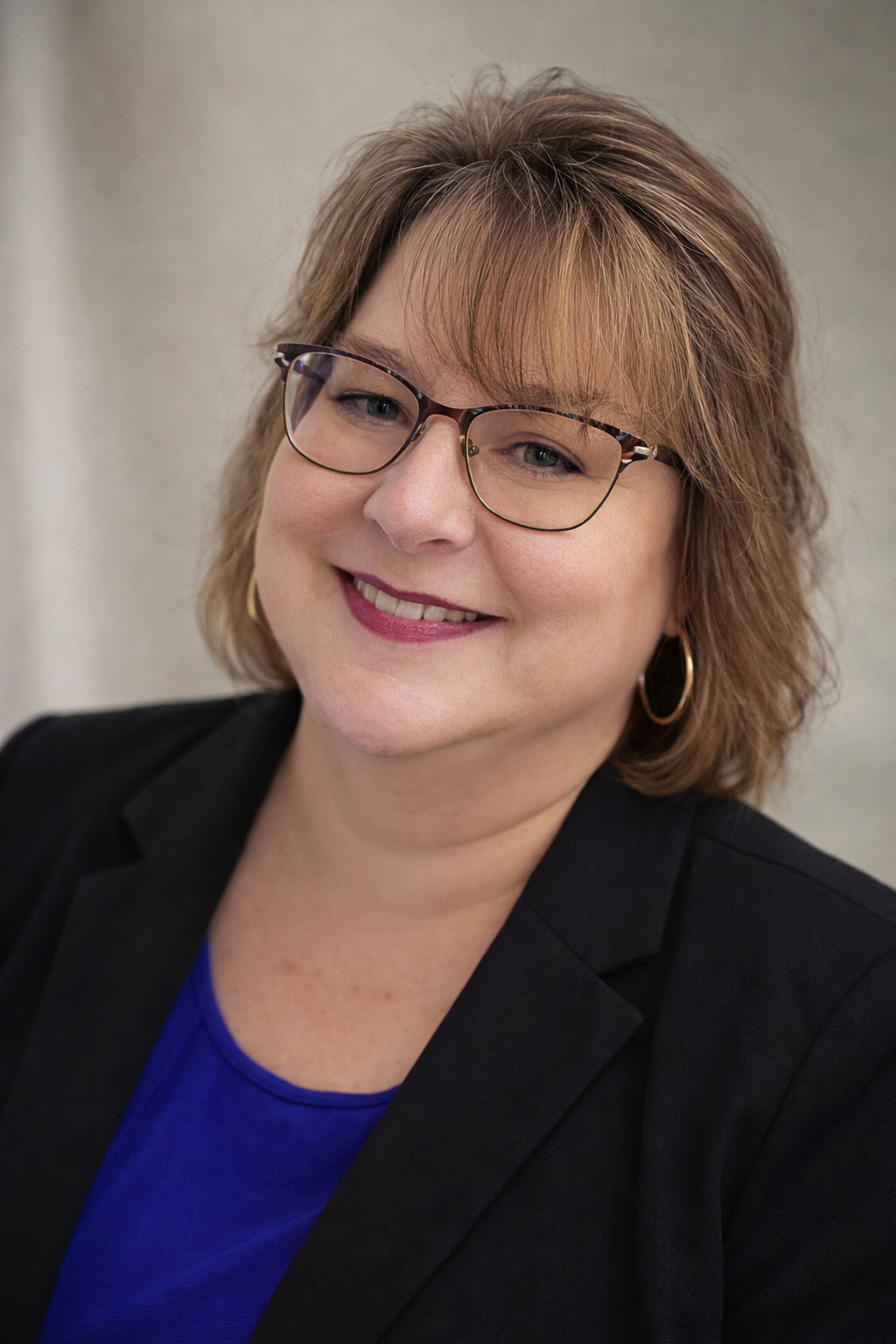
Dr. Tonya Andrews
Oct 22 min read


Sometimes grief begins long before goodbye
Yesterday, my son—who also serves as my office manager—answered a phone call from a grandmother whose young grandson had recently died and she needed support in her grief. One of the things I admire most about him is his ability to connect with people. From the very first conversation, he has a remarkable gift for helping callers feel heard, understood, and safe enough to take the next step. Normally calls don’t impact him. But this call stayed with him. Later, he told me the
Tonya M. Andrews, Ph.D., NCC, CAGCS
Aug 222 min read


Grief is cultural. So is occupational grief.
Grief is cultural. So is occupational grief. When we talk about multiculturalism in counselor education, we often think about race, ethnicity, religion, nationality, and geographic community. We should. But our understanding of culture cannot stop there. Military members and first responders belong to distinct occupational cultures, and within those cultures are subcultures shaped by branch, department, region, role, and generations of tradition. They have their own language.
Tonya M. Andrews, Ph.D., NCC, CAGCS
Aug 92 min read


Grieving what is ahead: Anticipatory Grief
Anticipatory grief is when we grieve long before goodbye.
Tonya M. Andrews, Ph.D., NCC, CAGCS
Aug 42 min read


Trauma is…
Trauma is not measured by the event alone. It is measured by the nervous system’s response to the event. One of the most important things we can understand about psychological trauma is that two people can experience the exact same event and leave with very different outcomes. Why? Because every nervous system is unique. Our genetics, childhood experiences, attachment relationships, previous exposures to adversity, available social support, resilience, and countless other fac
Tonya M. Andrews, Ph.D., NCC, CAGCS
Aug 32 min read


Why am I still crying?
Grief doesn’t end. Yesterday, I had two different clients sit across from me both asking a version of the same question: “Is this normal?” One, a father of a 40 year old young woman, just eight months after the sudden and unexpected death their only child. She was “full of life”, “a doctor”, “their reason for everything” “One moment she was living and the next, gone” The other, a daughter who was the sole care provider for her mother for twelve years. She watched dementia ste
Tonya M. Andrews, Ph.D., NCC, CAGCS
Aug 31 min read
bottom of page